Physics Basketball Games
Basketball games become unpredictable when the players bounce, the ball rebounds in an unusual direction and a simple button press can change an entire possession. Our physics basketball collection includes Basket Random, Dunkers, Dunkers 2 and Bouncy Basketball. They share lively movement but not the same controls. The right choice depends on whether you want quick one-key fun, active jump positioning, a shot meter or a jump-and-release challenge.
Four different ways to play physics basketball
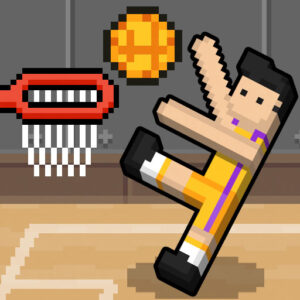
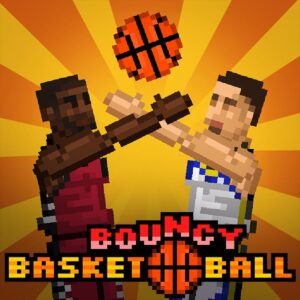
Basket Random gives each player a single button to move two ragdoll teammates, and the ball and court can change after scoring. The challenge is to react to the new setup rather than memorize a single jump. Dunkers lets you jump forward and backward, bringing positioning into the duel. Dunkers 2 adds a shot meter, so you must win a useful position and time the release separately. Bouncy Basketball uses jumping to collect the ball and releasing the held key to shoot. Those mechanics reward different habits even though they all lead to a basket.
| Game | Key input | Main skill |
|---|---|---|
| Basket Random | W or Up Arrow | Recognize a reachable ball |
| Dunkers | Left and Right Arrows | Manage forward and backward movement |
| Dunkers 2 | A/D and Spacebar | Combine positioning with shot-meter timing |
| Bouncy Basketball | Jump, hold and release | Control the shot from a useful point |
Read the next rebound, not the previous position
In a physical scramble, the ball may change direction after touching an arm or the floor. If you jump toward where it was before the collision, your character may reach an empty area. Begin by watching one bounce and predicting where the ball will travel next. Your next move can then target that point. This becomes especially important in Basket Random where the court can change after a basket, and in Dunkers where each jump carries a character farther than a small step.
Defending without losing your position
Running straight toward every loose ball may look aggressive, but it also opens your hoop. Try staying between the opponent and the basket until a sensible interception becomes available. If the ball travels over your player, plan a recovery rather than immediately repeating the same forward movement. In Dunkers a backward jump can regain position. In Bouncy Basketball you may need to land before jumping toward the next ball. The aim is not perfect defense; it is avoiding unnecessary open baskets.
Shot timing is a separate skill
Dunkers 2 provides an obvious timing marker for releasing the ball. Practise from a similar position several times and watch whether your release reaches the orange marker. Bouncy Basketball instead requires letting go of the jump button to shoot, so the position and moment of release are linked. For Basket Random there is less fine-grained control: observe whether a further jump will help or interfere with a ball already going toward the hoop.
A simple five-possession exercise
- Spend the first possession watching the ball change direction after contact.
- Challenge a reachable rebound instead of jumping immediately.
- Protect your own hoop for one full attack.
- Try a repeatable shooting action from a more controlled position.
- Play another possession while changing only the weakest habit you noticed.
How to choose a game for a friend
Basket Random is a good start for friends who want a quick shared-keyboard match with very few rules. Dunkers makes a small difference in forward or backward jump timing more visible. Bouncy Basketball adds a shot release decision, while Dunkers 2 offers a structured meter and tournament progression. If your friend enjoys precise shooting rather than contact with a moving opponent, visit Arcade Hoop Challenges for Basket Swooshes.
Other hoop challenges on the site
Players who enjoy gravity but prefer to solve obstacles can try Basketball Puzzle Games, featuring Basket & Ball and Basketball Line. Each player frame is delivered by an external game provider. The source documents have been checked, but actual controls and on-domain playability still need the owner's manual confirmation before search indexing is released.